


The US has imposed very high tariffs on some countries. These include 50 percent on Brazil, 40 percent on Myanmar and Laos, 37 percent on China, and 30 percent on South Africa. Tariffs of 20 percent have been imposed on India’s neighboring countries like Vietnam and Bangladesh, while 19 percent on Pakistan, Malaysia, Cambodia, and Thailand. In such a scenario, due to lower tariffs on India, Indian products will be cheaper in the US compared to goods from these countries. When prices are lower, it is natural for demand to increase, and India is going to get a direct benefit from this.
India’s position secure despite low tax
If we talk about the countries on which the US has imposed the lowest tariffs, the list includes the United Kingdom (10 percent), the European Union, Switzerland, Japan, and South Korea (all at 15 percent). These countries are considered traditional and close partners of the US.
Despite this, it does not pose a major challenge for India. The reason is that the products India exports to the US are quite different from the exports of these countries. Additionally, labor costs in these countries are significantly high, making their products naturally expensive.
India-US relations from conflict to agreement
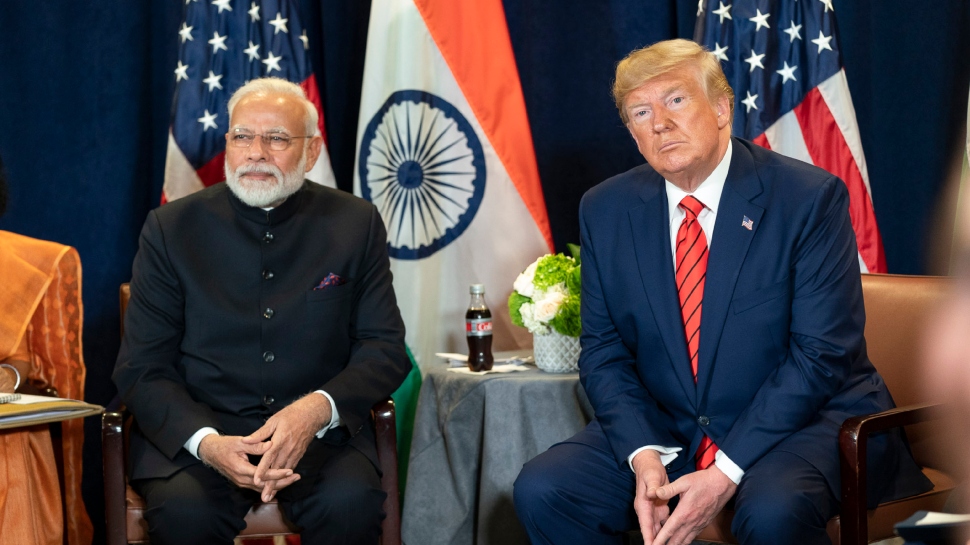
Reaching a consensus on a trade deal between India and the US is being considered a positive signal at the global level. The biggest reason for this is that both countries strategically fulfill each other’s needs. Differences between India and the US on trade issues are not new, but after Donald Trump became President for the second time, these differences openly turned into confrontation.
Boost to Indian Exports
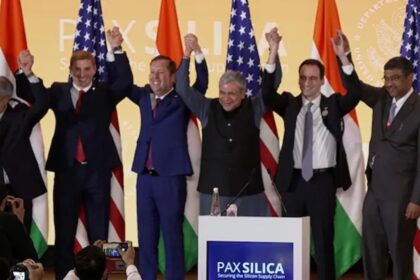
Recently, India announced a trade agreement with Europe, and immediately after this, the trade deal with the US was also finalized. It is clear from both these agreements that Indian exports will get significant support in American and European markets in the coming times. At the same time, this partnership between India, the US, and Europe can balance China at the global level, which has been the backbone of several key supply chains so far. These agreements will not only provide India with large markets but may also open new avenues for advanced technology and foreign investment.