





Rajasthan Before 1947: A Glimpse of a Glorious Past
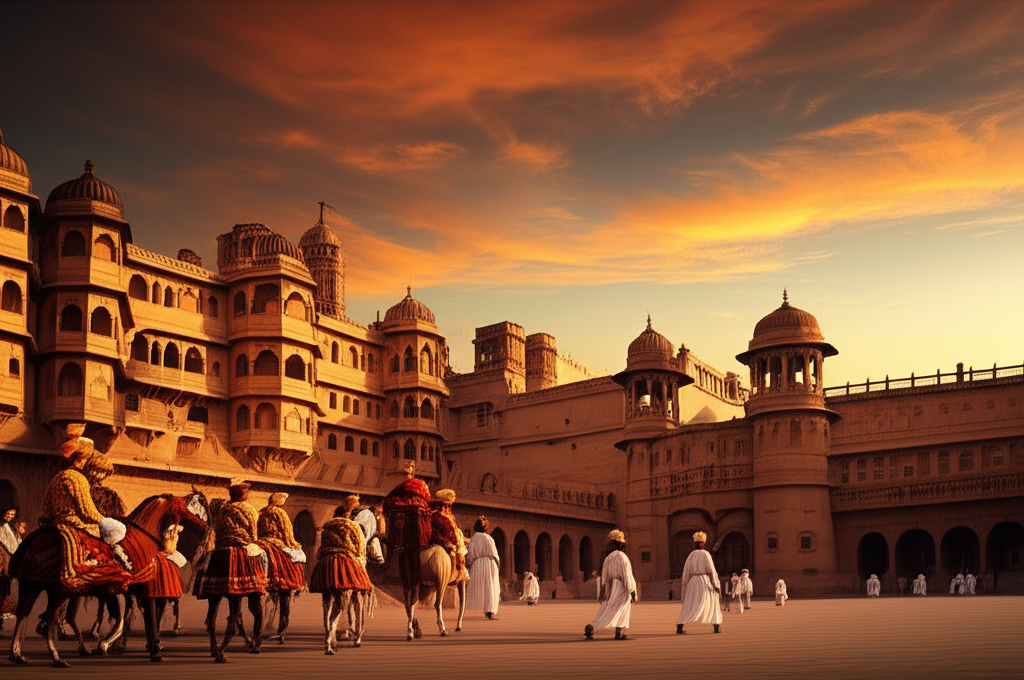
The western end of India, a land drenched in sand dunes and colorful culture – Rajasthan. What we know today as Rajasthan was a group of several small and large princely states before 1947, known as ‘Rajputana’ during the British era. Its History is not only filled with sagas of bravery, sacrifice, and valor, but also reflects the political upheavals, cultural confluences, and strategic importance that occurred from time to time. Pre-independence Rajasthan is truly one of the most fascinating chapters of Indian History.
Rise and Rule of the Rajputs
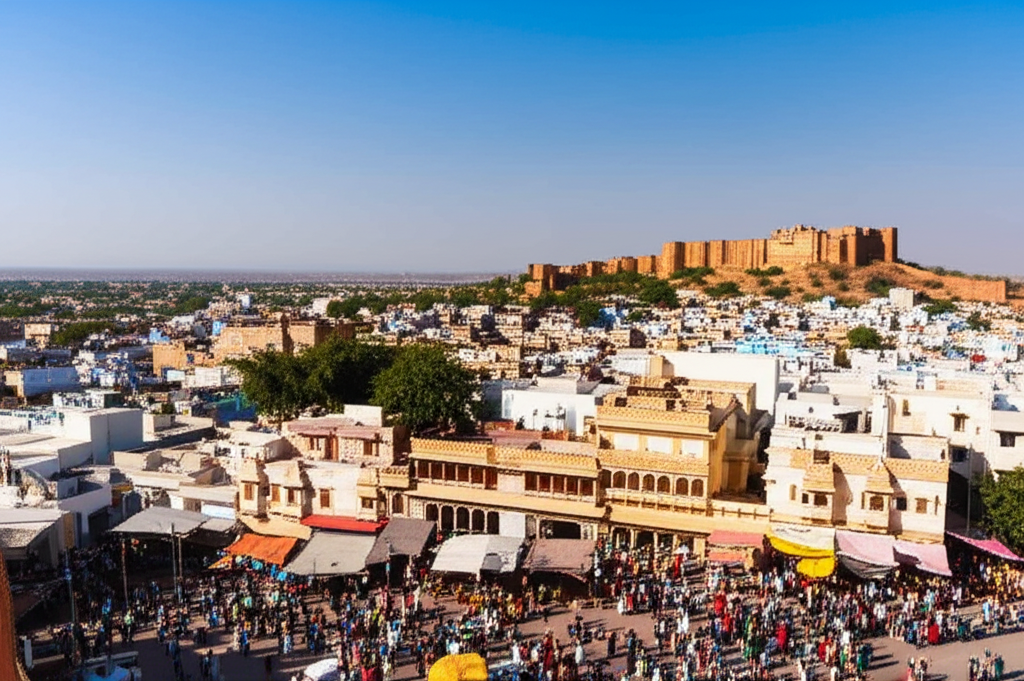
Since ancient times, this land has been a stronghold of warriors and rulers. After the Gurjar-Pratiharas, the dominance of Rajputs began to be established here from the 7th century. Powerful Rajput clans like the Guhils and Sisodias of Mewar, Rathores of Marwar, Kachwahas of Amber and later Jaipur, Rathores of Bikaner, and Bhati of Jaisalmer established their princely states. These states were known for their strong fortifications, efficient administration, and artistic patronage. Rajput kings not only protected their motherland but also promoted the rich cultural heritage here.
Influence of the Mughal Era
The arrival of the Mughals in the 16th century brought a new turn in the History of Rajasthan. Emperor Akbar adopted a policy of establishing friendly relations with the Rajputs, under which many Rajput kings accepted Mughal suzerainty and held important administrative positions. However, rulers like Maharana Pratap of Mewar refused to bow down before the Mughals and continued to struggle throughout their lives.
During the Mughal period, the Rajput architectural style, painting, and music were deeply influenced by the Mughal style. A new art and culture emerged from the blend of Rajput and Mughal styles, which can still be seen in the palaces and havelis of Rajasthan today. This was a unique period of cooperation and conflict that made this region even richer.
Maratha Interference and Weakness of Princely States
With the decline of the Mughal Empire in the 18th century, Maratha interference in the princely states of Rajasthan began to increase. Under the leadership of the Peshwas, the Marathas started collecting ‘Chauth’ and ‘Sardeshmukhi’ from the Rajput states, causing the economic condition of these states to weaken.
Internal disunity and conflict among Rajput princely states gave the Marathas an opportunity to become even stronger. Repeated Maratha attacks and demands for heavy taxes increased political instability in Rajasthan, and many states had to struggle for their existence. This was the period when the princely states of Rajasthan began to weaken before external forces.
Arrival of the British East India Company
In the early 19th century, plagued by mounting Maratha pressure and internal discord, Rajput rulers sought refuge with the British East India Company. Under Lord Hastings’ policy of ‘Subsidiary Alliance’, almost all princely states of Rajasthan accepted British protection. As a result of these treaties:
- Rajput states handed over their foreign policy to the British Company.
- The British assured non-interference in internal affairs, although this rarely happened in practice.
- British forces were stationed in the princely states, the cost of which was borne by the respective state.
Gradually, the British government formed the ‘Rajputana Agency’ and established control over these states through a Resident. This brought the princely states of Rajasthan under one umbrella but limited their autonomy.
Administrative Structure and Public Life of Princely States
Before 1947, a feudal system prevailed in the princely states of Rajasthan. The King was supreme, and under him were Jagirdars, who administered large tracts of land and in return provided military aid and revenue to the King. The common people, especially farmers, were victims of poverty and exploitation. Various princely states had their own laws, currencies, and administrative systems, which functioned under British supervision.
Basic facilities like education and health were limited. Caste discrimination and various social evils like Sati practice, child marriage, slavery, etc., existed in society, although some of these were banned due to the efforts of the British and social reformers.
Cultural and Social Scenario
Despite these challenges, pre-1947 Rajasthan remained unique for its cultural grandeur. Colorful costumes, vibrant folk dances (like Ghoomar, Kalbelia), melodious folk music, distinct handicrafts (like Bandhej, Minakari, Thewa art), and magnificent architecture (like forts, palaces, stepwells) were an integral part of life here. The History here has left its deep imprint on every aspect.