
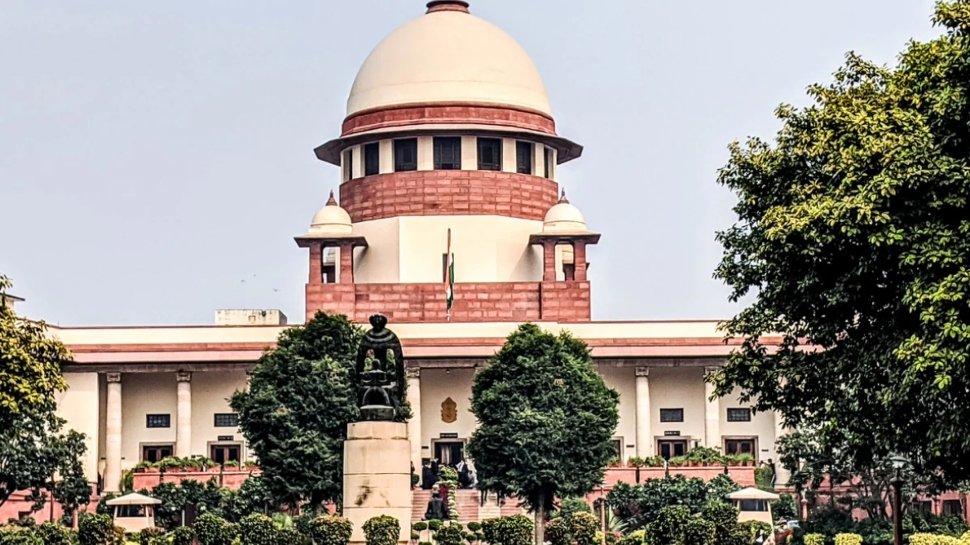

Menstrual Leave Plea: The Supreme Court has dismissed a public interest litigation (PIL) seeking a national policy for menstrual leave for women and students across the country. During the hearing, the Court stated that if it is made mandatory through law, it could lead to undesirable consequences. According to the court, such a provision could also affect women’s employment opportunities in the future, as employers might hesitate to hire women.
Gender Stereotypes May Increase
During the hearing in the Supreme Court on Friday, the bench of Chief Justice Suryakant and Justice Joymalya Bagchi made significant remarks on this matter. The court said that if such a provision is implemented, it could inadvertently strengthen existing gender stereotypes about women.
Relevant Authority May Consider Policy
However, the Supreme Court also clarified that if the concerned competent authorities wish, they can consider the suggestions and representations made on this issue. After discussions with all stakeholders, the possibility of a potential policy regarding menstrual leave can be assessed. With this directive, the court disposed of the petition.
Petitioner’s Counsel Cited Kerala’s Example
It is noteworthy that this petition was filed by Shailendra Mani Tripathi. Senior Advocate M. R. Shamshad, appearing for the petitioner, argued during the hearing that some states and institutions in the country have already taken steps in this direction. He gave an example, stating that some relief is being provided at the school level in Kerala regarding this matter. Additionally, many private companies are voluntarily offering menstrual leave facilities to their employees.
Voluntary Leave Called a Welcome Step
During the hearing, the Chief Justice said that if institutions or companies voluntarily grant menstrual leave, it is a positive initiative. However, making it mandatory through law would not be appropriate. The court believes that if such a provision is legally enforced, employers might hesitate to hire women. This also raised concerns about a potential negative impact on women’s careers and employment opportunities in the future.