


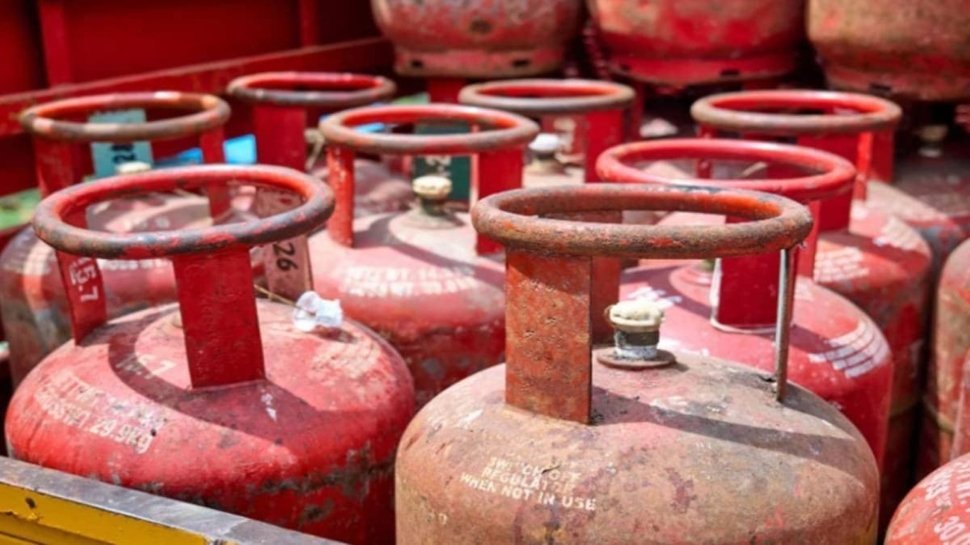
Concerns regarding the availability and consumption of cooking gas in the country appear to be growing. According to data for the month of March, a decline of approximately 13 percent has been recorded in LPG consumption. This drop is not considered sudden but rather a result of several global circumstances.
According to experts, the ongoing tension in West Asia and the resulting impact on the supply chain is the primary reason for this shortage. The impact of these international difficulties has now reached India’s domestic market.
This situation is directly affecting the kitchens of common people, while businesses such as hotels and restaurants are also being impacted. Due to supply instability, an effect on both the availability and usage of LPG is being observed.
According to government data, LPG consumption in the country fell to approximately 2.379 million metric tonnes in March 2026, which is about 12.8 percent less compared to the previous year. During the same period, demand for domestic cylinders also recorded a drop of 8.1 percent, while the decline in the commercial sector was even more severe, reaching approximately 48 percent.
India meets about 60 percent of its total LPG requirement through imports, with a large portion of the supply coming from West Asia. However, circumstances such as the ongoing tension and conflict there in recent months have affected the supply chain. Particularly, obstacles in sea routes have impacted the supply of LPG.
To control this situation, the government has taken steps on a priority basis. To safeguard the needs of domestic consumers, LPG supply to the commercial sector, such as hotels and industrial units, has been cut. Additionally, refineries have been instructed to increase LPG production instead of petrochemical production.
Due to these efforts, domestic LPG production in the country has increased to reach approximately 1.4 million tonnes, which is higher than last year. However, balancing rising demand and limited supply remains a major challenge for the government.
While a decline in LPG consumption has been recorded on one hand, an increase in demand for petrol and diesel has been seen on the other. According to March data, petrol sales have increased by 7.6 percent, while diesel demand has also grown by up to 8.1 percent.
Experts say that this shift in fuel consumption could be the result of various economic and market conditions. Furthermore, if the ongoing tension in West Asia persists for a long time, its impact on LPG supply could deepen further.
In such a situation, not only could the availability of LPG be affected in the coming times, but the possibility of price fluctuations also remains, which could directly impact consumers.