


Tensions between the US and Iran continue to rise, which has started showing a direct impact on the global oil market. The situation has become even more sensitive following attacks on commercial ships in the Strait of Hormuz. This incident has also increased the possibility of conflict in the region, deepening concerns regarding international energy supply.
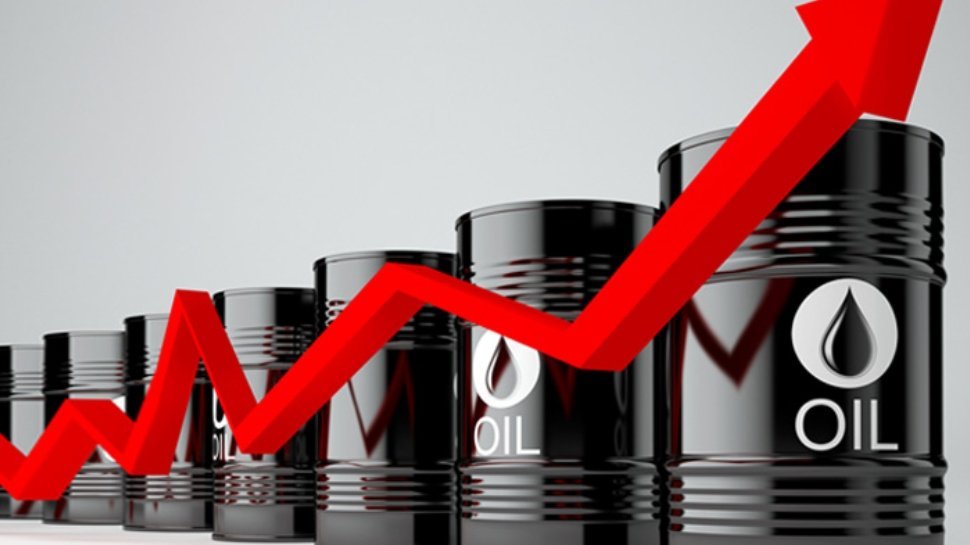
The impact of this entire sequence of events is clearly visible on crude oil prices. On Monday, April 20, oil prices recorded a surge, keeping the market volatile. Amidst this jump in prices, changes have also been observed in India’s import data.
According to reports, a decline of about 17 percent has been recorded in the country’s crude oil imports. Experts believe that the impact of global tensions and pressure on the supply chain may continue to affect the oil market in the coming days.
The effect of rising tensions in the Middle East is now clearly visible on the global oil market. Crude oil prices maintain an upward trend, and a surge has been recorded in both major benchmarks in the international market.
West Texas Intermediate (WTI) futures saw an increase of about 6 percent, after which its price reached approximately $88.93 per barrel. Meanwhile, Brent crude’s June delivery contract also remained strong, recording a rise of about 5.63 percent. Subsequently, its price rose to a level of approximately $95.48 per barrel.
Meanwhile, the ongoing instability in West Asia is also affecting India’s energy needs. Due to the situation, a decrease in crude oil purchases has been recorded in the country, further increasing supply-related challenges.
According to preliminary data from the Petroleum Planning and Analysis Cell (PPAC), India’s crude oil imports in March decreased by about 17 percent compared to the previous year. This decline reflects the current geopolitical tensions and the uncertainty prevailing in the market.
The increase in crude oil prices is expected to have a direct impact on the pockets of common people. When oil becomes expensive in the international market, its effect gradually starts appearing on petrol and diesel prices as well. Rising fuel prices not only make driving more expensive but also affect the transport system.
Due to increased transport costs, the prices of daily essential commodities also start to rise. In such a situation, inflationary pressure in the market may increase further, leading to the possibility of an additional burden on the common consumer.
On the other hand, tensions between the US and Iran in the Gulf region have deepened even more. Recently, US President Donald Trump informed that the US Navy intercepted and took control of an Iranian container ship in the Gulf of Oman during an operation. It is claimed that this ship was trying to break the US blockade.
The situation has become more sensitive following this incident. Meanwhile, Donald Trump has issued a stern warning to Iran, stating that if no agreement is reached, its important locations could be targeted. This is raising fears of further tension in the entire region.