



New Delhi: This year’s summer is bringing the sound of a serious water crisis for Pakistan. The situation of the neighboring country, already facing water shortage, could become even more difficult.
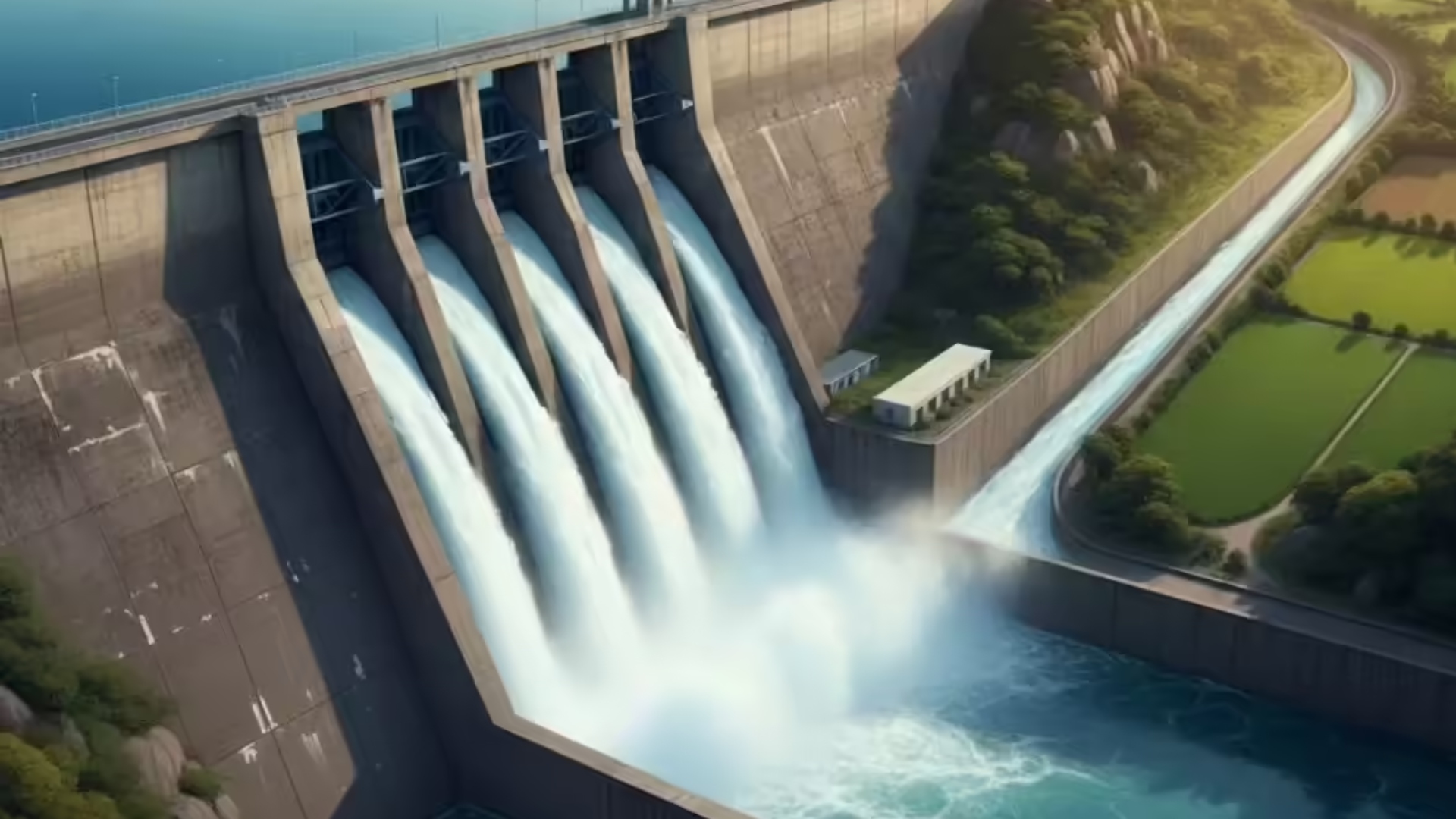
The decision by India to terminate the Indus Waters Treaty following the Pahalgam terror attack has made the situation more sensitive. Meanwhile, the construction of the Shahpur Kandi Barrage is in its final stage and is expected to be completed by March 31.
Until now, due to a lack of storage capacity, the excess water of the Ravi River used to flow towards Pakistan, but after the barrage becomes operational, India will be able to stop more water for its own use. This could further increase water pressure on Pakistan, especially during the summer season when water demand is at its peak.
Jammu and Kashmir Minister Javed Rana has shared important information regarding this dam. He stated that the main objective of this step is to provide better irrigation facilities to the drought-hit Kathua and Samba districts. According to the Minister, the flow of excess water flowing towards Pakistan will be stopped through the dam, thereby making adequate water available to the people of Jammu and Kashmir. He says that this project will bring relief to local farmers and the general public and will prove helpful in reducing the water crisis in the region.
Dream of Ravi Project realized after 46 years
This dam project on the Ravi River was conceived in the year 1979. The objective was to stop the excess water flowing towards Pakistan. Under this, an agreement was reached between Punjab and Jammu and Kashmir regarding the construction of Ranjit Sagar Dam and the downstream Shahpur Kandi Barrage.
In the year 1982, the then Prime Minister Indira Gandhi laid the foundation of this ambitious project. However, in subsequent years, due to differences between Punjab and Jammu and Kashmir and political neglect, this project remained stuck for about 46 years. After the intervention of the Government of India in 2018, this project got new momentum and construction work picked up speed, due to which it is now moving towards completion after a long wait.
What could be the impact on Pakistan?
Agriculture plays an important role in Pakistan’s economy. The contribution of farming to the country’s GDP is considered to be about 25 percent and approximately 80 percent of agricultural activities depend on the Indus River System. In such a situation, a reduction in water flow can have a direct impact on farming and associated livelihoods.
If the excess water of the Ravi is stopped, pressure on the irrigation system in Pakistan’s Punjab province may increase. There is an apprehension that crop yields will be affected due to the decrease in water reaching fields through canals. Apart from this, the water supply of large cities like Lahore and Multan could also be affected. Water shortage will lead to a decline in agricultural production, which could create additional pressure on the economy and food security of Pakistan, which is already facing economic challenges.
No violation of Indus Water Treaty
This step by India is being described as within the provisions of the Indus Waters Treaty signed in 1960. Under this agreement, the major use of the western rivers—Indus, Jhelum, and Chenab—was given to Pakistan, while India’s full right over the eastern rivers—Sutlej, Beas, and Ravi—is recognized.
According to the treaty, India is allowed to use the water of these eastern rivers without restriction. Until now, due to the lack of adequate infrastructure, the excess water of the Ravi used to flow towards Pakistan. Through new projects, India is ensuring the usage of its share by stopping that same excess water.
Tough stance on terrorism, speed on water management
After the terror attack in Pahalgam in April last year, India, adopting a tough stance, decided to suspend the Indus Waters Treaty. Since then, strategic steps regarding the use of water resources have been accelerated.
Work on several hydroelectric projects on the Chenab River in Jammu and Kashmir is being advanced rapidly. These projects are expected to be completed by 2027-28, which could bring changes in the management of the river’s water flow.
Apart from this, preparations are also being made to restart work on the proposed Wular Barrage project to control water storage connected to the Jhelum River. The government believes that through these steps, better utilization of water resources in the region can be ensured.