



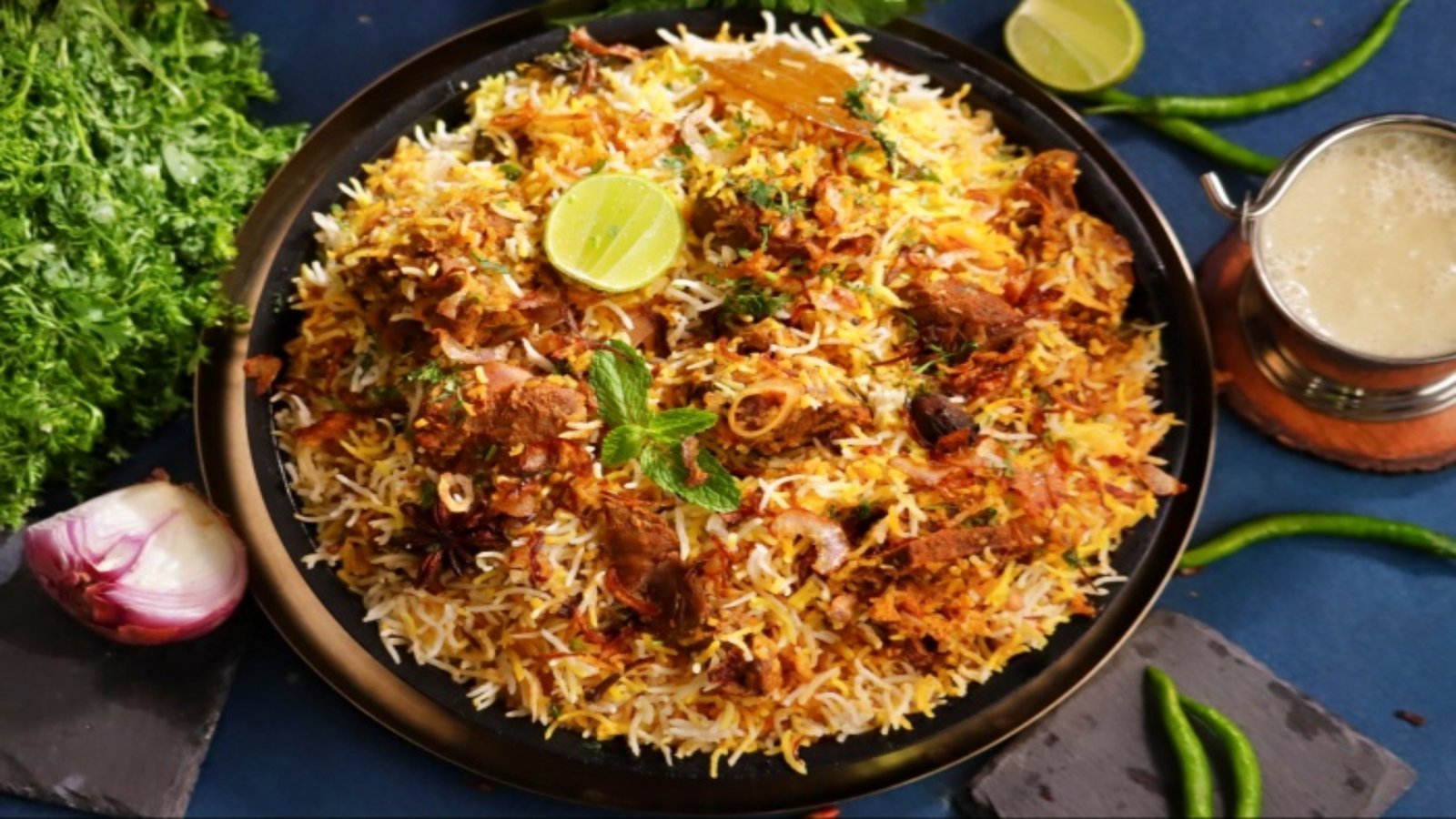
Hyderabad’s name immediately brings the aroma of Biryani and Haleem to mind, but by 2026, the culinary world here has undergone a very interesting and profound transformation. Now, Hyderabad’s identity is no longer limited to spices and meat dishes. The city’s new generation and its migrant population have introduced a ‘fusion’ at the dining table that is a beautiful blend of tradition and modernity. In today’s Hyderabad, while the round of Irani tea continues in old mansion-like buildings on one side, on the other side, modern dishes made from ‘millets’ like pearl millet and finger millet are creating a buzz in the glitzy lanes of HITEC City.
The biggest reason for this change is the increasing awareness toward health. People in Hyderabad are now giving as much importance to nutrition as they do to taste. For this reason, the simple and nutritious food of rural Telangana has now become part of the menu cards of the city’s major restaurants. Telangana’s ‘Gotu’ curry, Peach Pachadi, and Jonna Rotte (Sorghum bread) are now being served in five-star hotels with the same pride as Shahi Tukda once was. This is not just a change in food, but also a cultural journey back to one’s roots. People are now seeking flavors that remind them of their soil.
At the same time, the influence of global culture has made Hyderabad a hub for international cuisines. The popularity of Korean dramas and music has created a craze for dishes like Kimchi, Ramen, and Bibimbap among the city’s youth. Dozens of cafes have now opened in areas like Banjara Hills and Jubilee Hills, serving international flavors with a local twist. The ‘nightlife dining’ culture here has also evolved significantly, where people enjoy various types of cuisines late into the night. Overall, Hyderabad’s current food scene tells a story where respect for old dishes remains intact, and new flavors from around the world are being welcomed with open arms.
